A bedtime story for your child about their tantrums, picky eating, bedtime resistance, morning chaos, fear of the dark, screen dependency, big goodbyes, sibling rivalry, potty accidents or shyness.

Personalized picture books · ages 3–6

Create your book $32.99 · a one-of-a-kind 32-page picture book
See the book

Each book is unique

Their name. Their hero. Their story.

  • One of a kind: a new story is written for every order
  • A square 8.5″ × 8.5″ picture book
  • 32 pages, ready for bedtime
Create your book
Everyday challenges

What are they going through?

Pick the moment that feels familiar. Their story is written around it.

A young child sitting up in bed at night with arms crossed, next to a lit bedside lamp and a teddy bear on the floor

Bedtime resistance

One more drink, one more story, one more goodnight. The day is ending, but your child is finding it hard to let it end.

Bedtime resistance

Bedtime resistance can involve wanting company, worries, transitions or sleep timing. Notice what happens around the extra requests, then choose a familiar routine and a goodnight you can sustain. A story can be part of that shared time without having to make sleep happen.

Ideas from the parent guide

  • Choose a familiar sequence
  • Make room for one small choice
  • Find a goodnight you can repeat
Create your book

About the book on bedtime resistance · Read the full parent guide

A young child lying face down and crying on a grocery store aisle floor, with a cereal box and an apple nearby

Tantrums

A broken cracker. A different cup. A feeling that arrives bigger than either of you expected.
Tantrums

A small disappointment can feel very big to a young child still learning how to manage frustration. Tiredness, hunger or a difficult transition may also play a part. Keep everyone safe, use a few words, and return to what happened when there is room to explore it together.

Ideas from the parent guide

  • Start with safety
  • Use a few words
  • Return to the moment later
Create your book

About the book on tantrums · Read the full parent guide

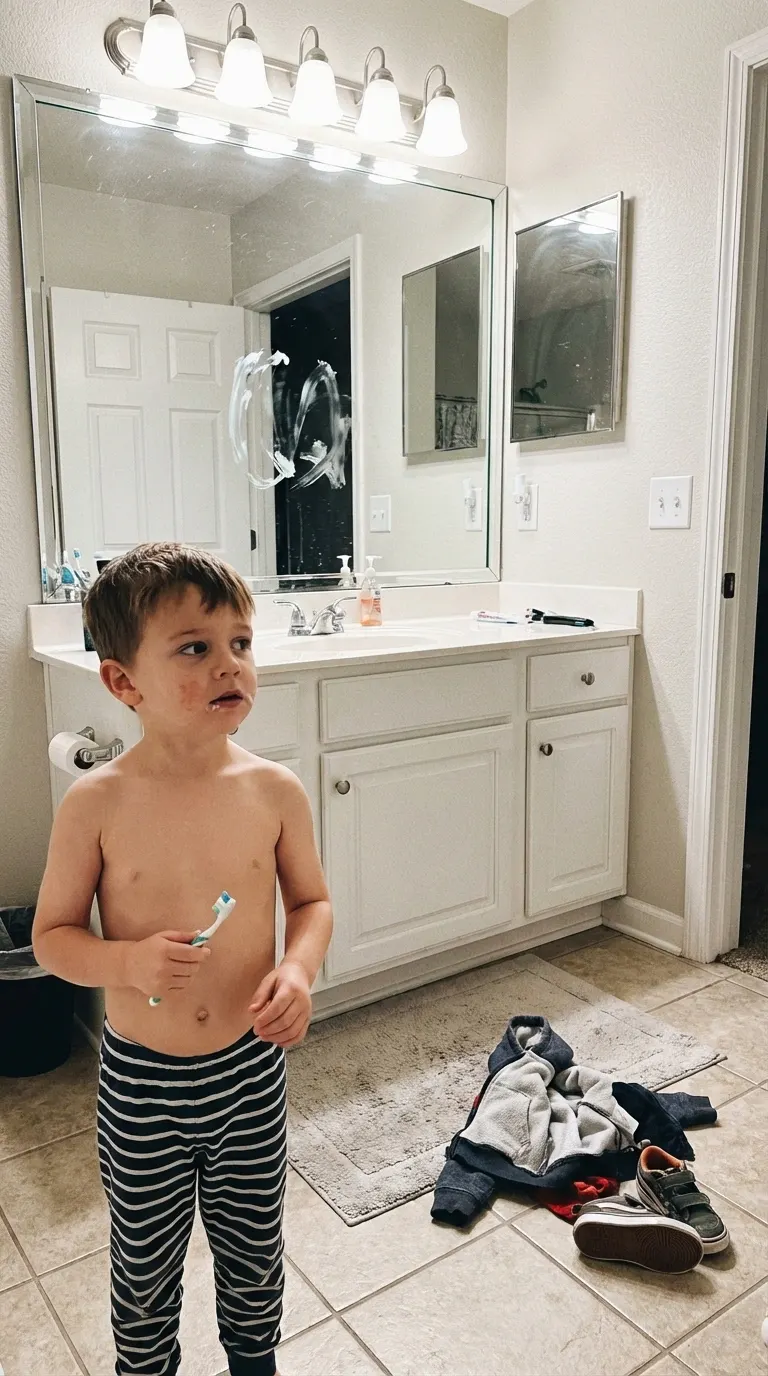
A young child in pajama pants holding a toothbrush in a bathroom, with clothes and shoes on the floor and toothpaste smeared on the mirror

Morning chaos

The shoes are by the door, the clock is moving, and your child is still in the middle of something else.
Morning chaos

School mornings combine time pressure with several changes of activity. Notice which step is difficult, then simplify or share that step. A visible sequence and a small part your child can choose are possibilities to explore within the schedule your family actually has.

Ideas from the parent guide

  • Move one decision to the evening
  • Show the next step
  • Offer a manageable part
Create your book

About the book on morning chaos · Read the full parent guide

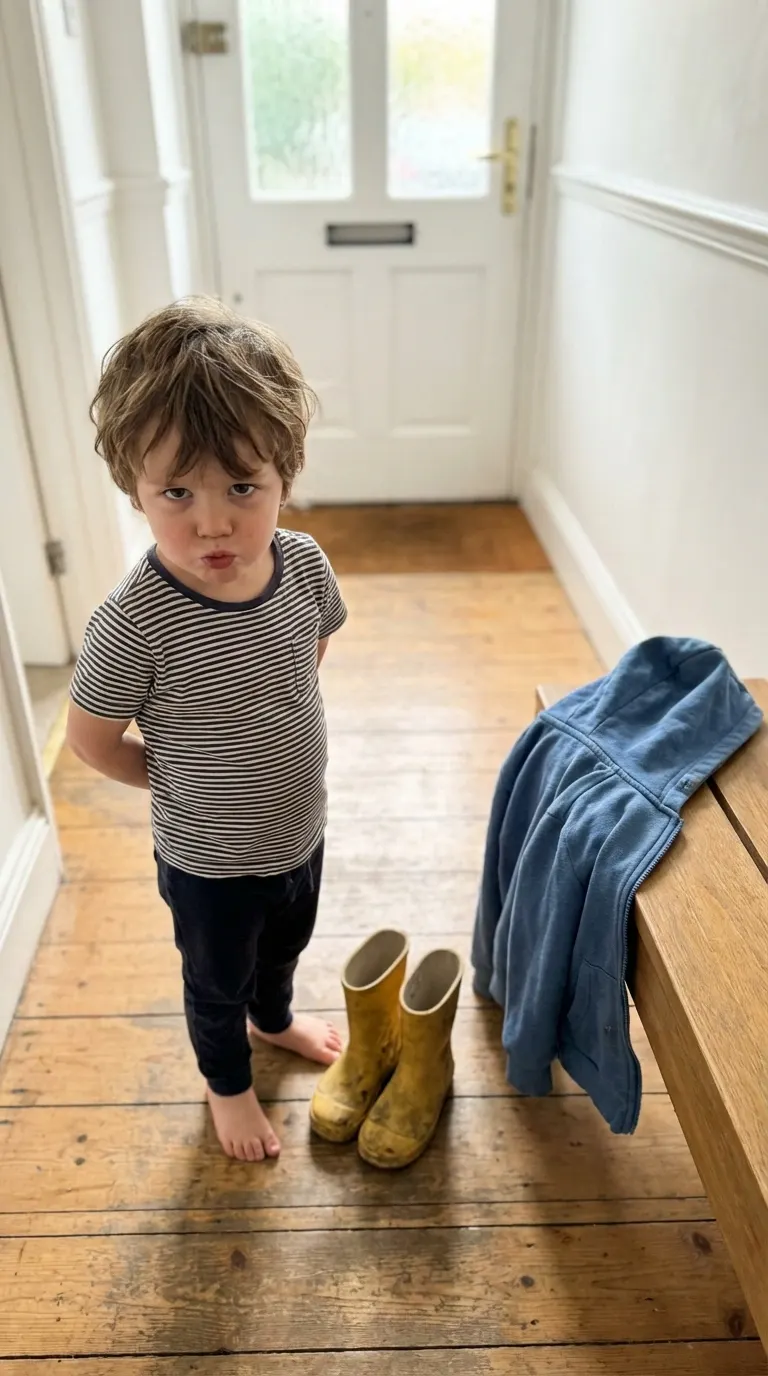
A barefoot young child standing in a hallway with hands behind the back, next to a pair of yellow rain boots and a jacket

Defiance

Getting dressed, brushing teeth, leaving the house. A small request can meet a very determined “no.”
Defiance

A child’s “no” can express a wish for choice, a difficult transition or a task that feels hard. Start with the situation rather than assuming a motive. Keep necessary limits clear, offer choices you can accept, and find out where help is needed.

Ideas from the parent guide

  • Make the request concrete
  • Offer a real choice within a limit
  • Ask what is getting in the way
Create your book

About the book on defiance · Read the full parent guide

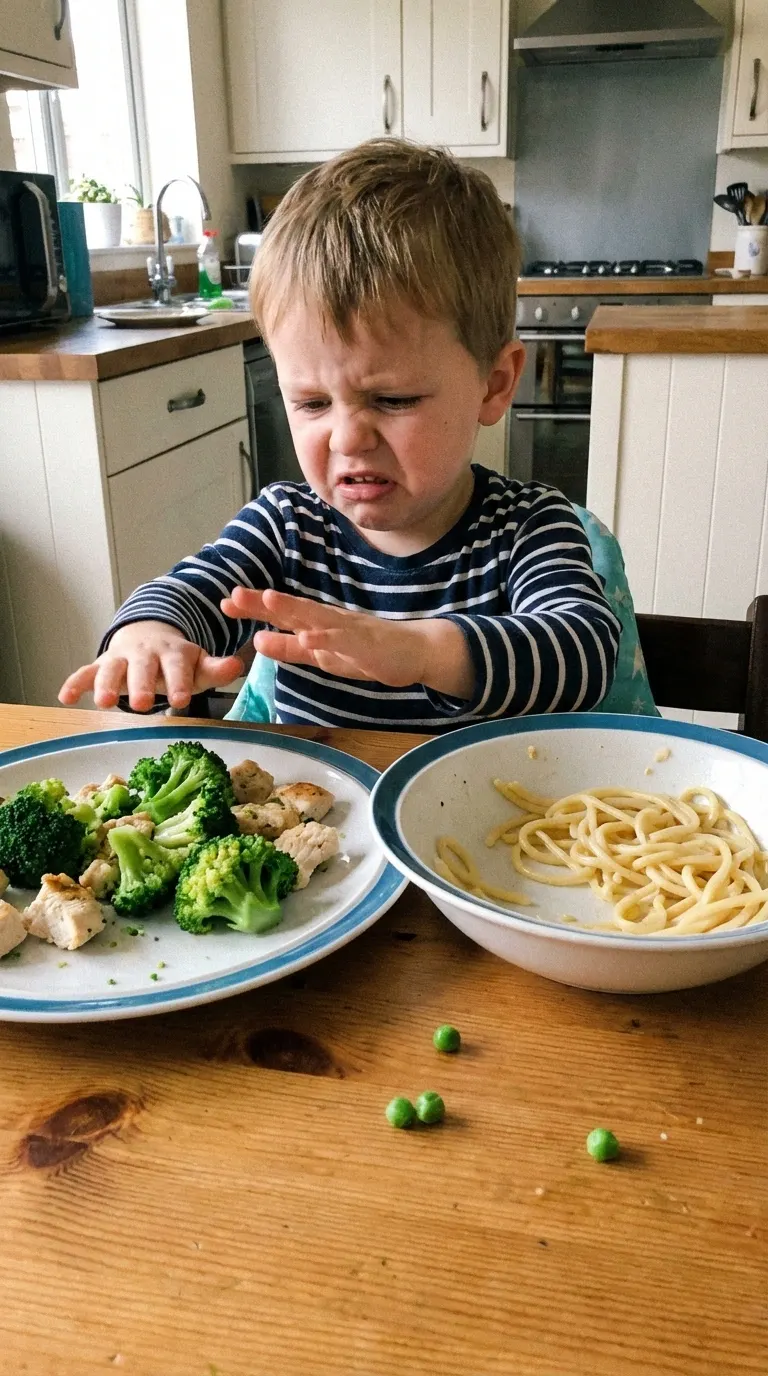
A young child at a kitchen table pushing away a plate of broccoli and chicken, with a bowl of plain pasta beside it

Picky eating

The plate is on the table. Your child pushes it away. You want meals to hold more than worry and negotiation.
Picky eating

Food refusal can involve unfamiliar tastes, textures, appetite or the experience of mealtimes. Notice what is difficult, offer food without a required performance, and include a familiar starting point. Concerns about growth, discomfort or a restricted diet deserve individual advice from your pediatrician.

Ideas from the parent guide

  • Include something familiar
  • Leave room to decline a taste
  • Invite a small kitchen task
Create your book

About the book on picky eating · Read the full parent guide

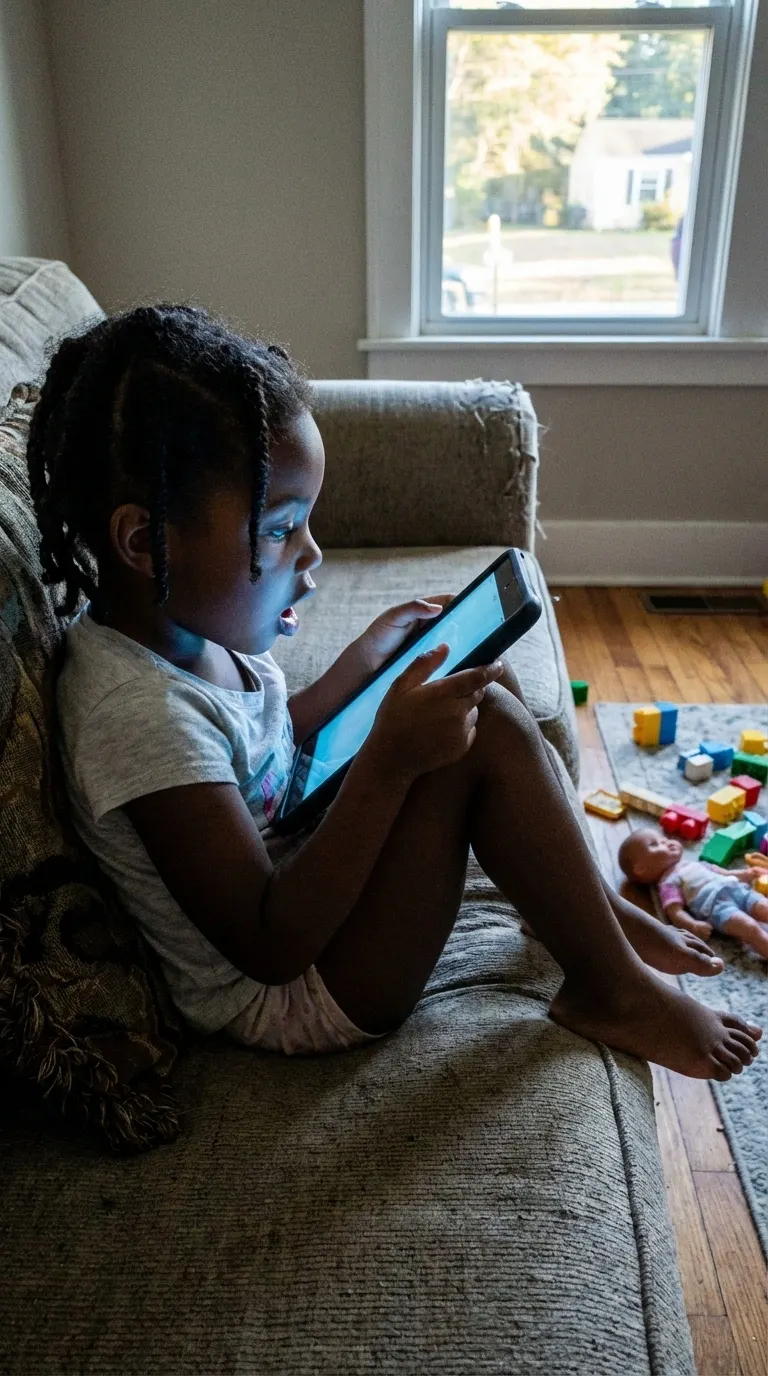
A young child curled up on a couch looking at a glowing tablet, with building blocks and a doll left on the floor

Screen dependency

The episode has ended, but putting down the screen is difficult. You need a next step that fits your everyday life.
Screen dependency

Stopping an absorbing screen activity can be hard, especially when the ending feels sudden. Agree on a visible stopping point and show what comes next. Look at the whole routine rather than judging one reaction, and seek support if screen use is disrupting daily life.

Ideas from the parent guide

  • Choose the ending before starting
  • Show what comes next
  • Keep the limit and allow disappointment
Create your book

About the book on screen dependency · Read the full parent guide

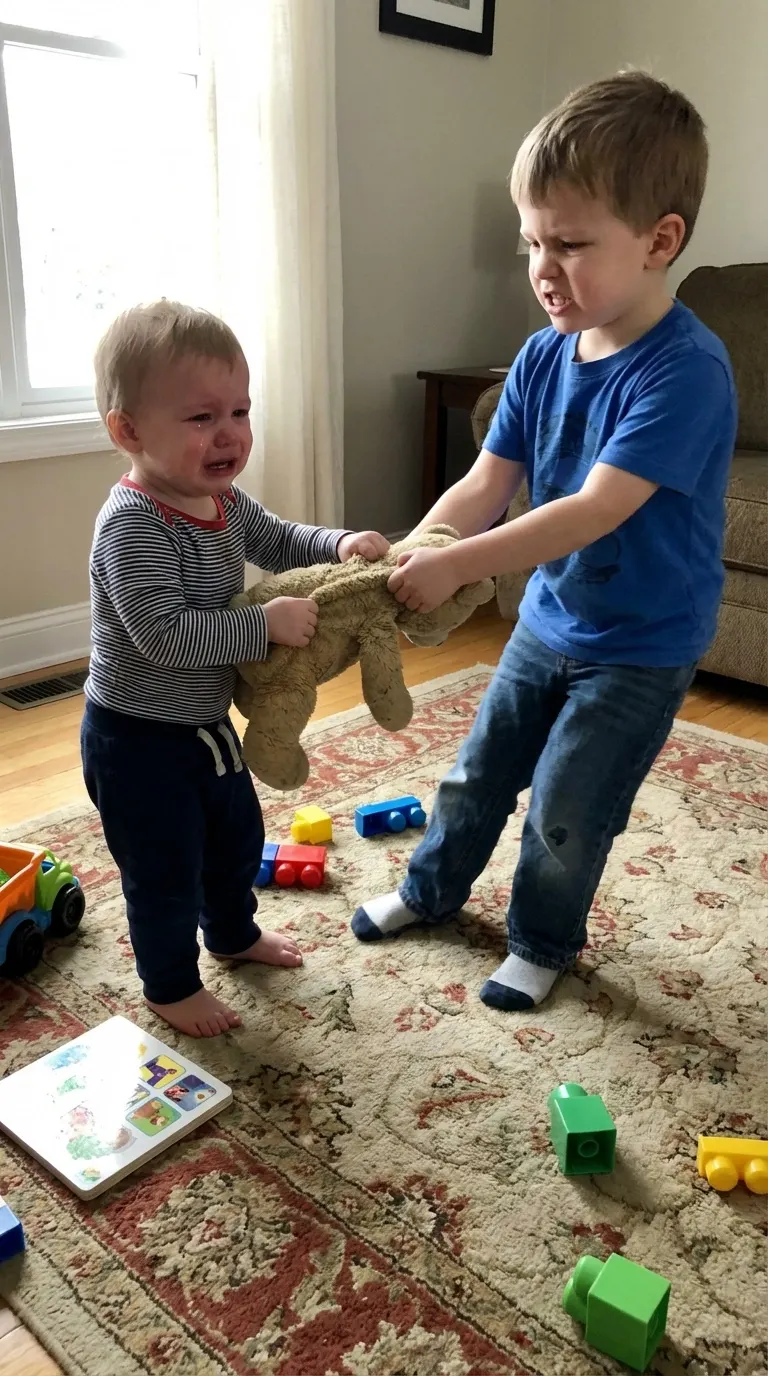
Two young children pulling on the same stuffed bear in a living room, the smaller one in tears

Sibling rivalry

The same toy, the same seat, the same space beside you. There are two children with something that matters to them.
Sibling rivalry

Sibling disagreements can involve a shared object, space, attention or an unsettled routine. Start by keeping each child safe, then name the specific conflict. A clear turn, room for personal belongings and individual time are possibilities to adapt to your family.

Ideas from the parent guide

  • Protect each child first
  • Name the concrete conflict
  • Give a turn a visible ending
Create your book

About the book on sibling rivalry · Read the full parent guide

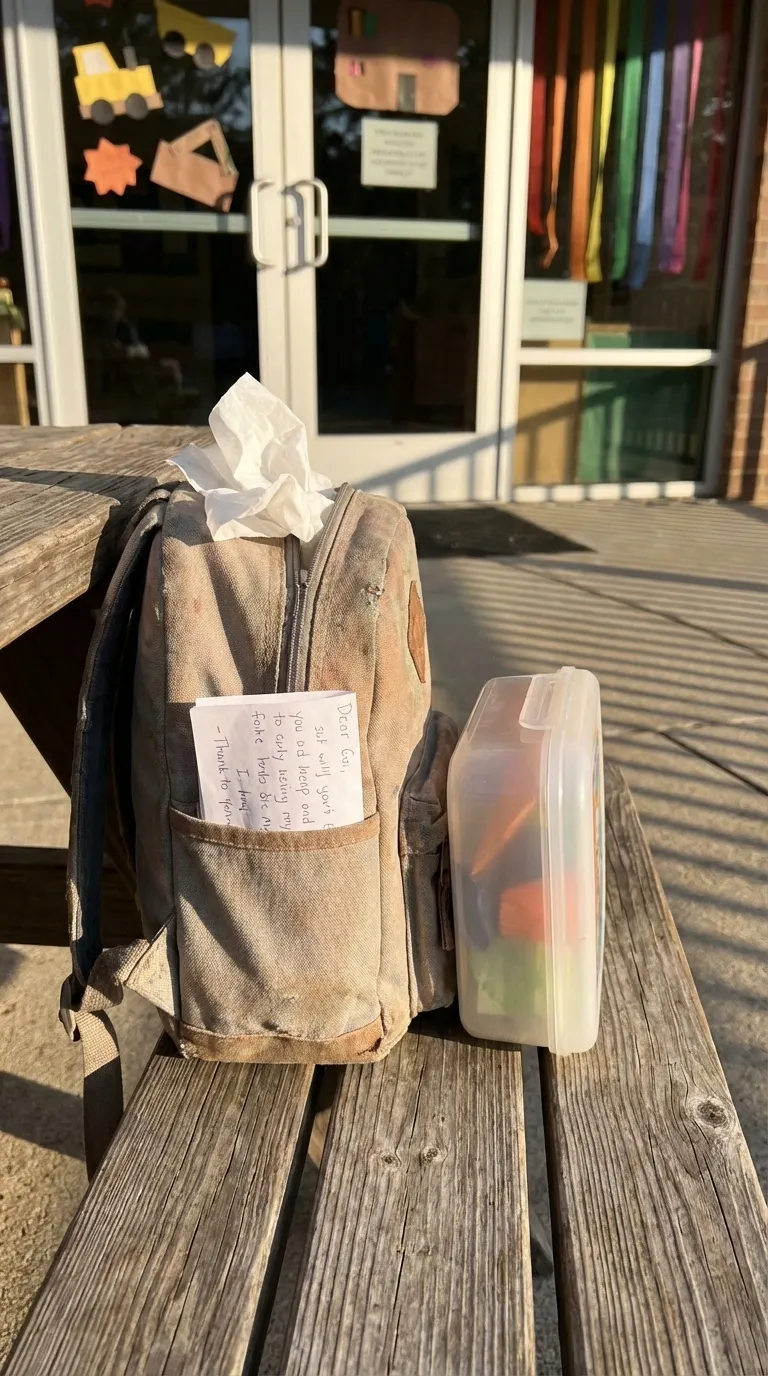
A worn backpack with a handwritten note in its pocket and a lunchbox on a bench in front of a preschool door

Separation anxiety

A hand tightens on your sleeve at the door. It is time to go, and the goodbye feels big for both of you.
Separation anxiety

Goodbyes can feel difficult when a child faces an unfamiliar place or is unsure what happens next. Make the care and return plan concrete, choose a familiar goodbye and compare observations with the caregiver. Adapt the plan to your child rather than measuring success by the absence of tears.

Ideas from the parent guide

  • Make the next part concrete
  • Choose a familiar goodbye
  • Coordinate with the caregiver
Create your book

About the book on separation anxiety · Read the full parent guide

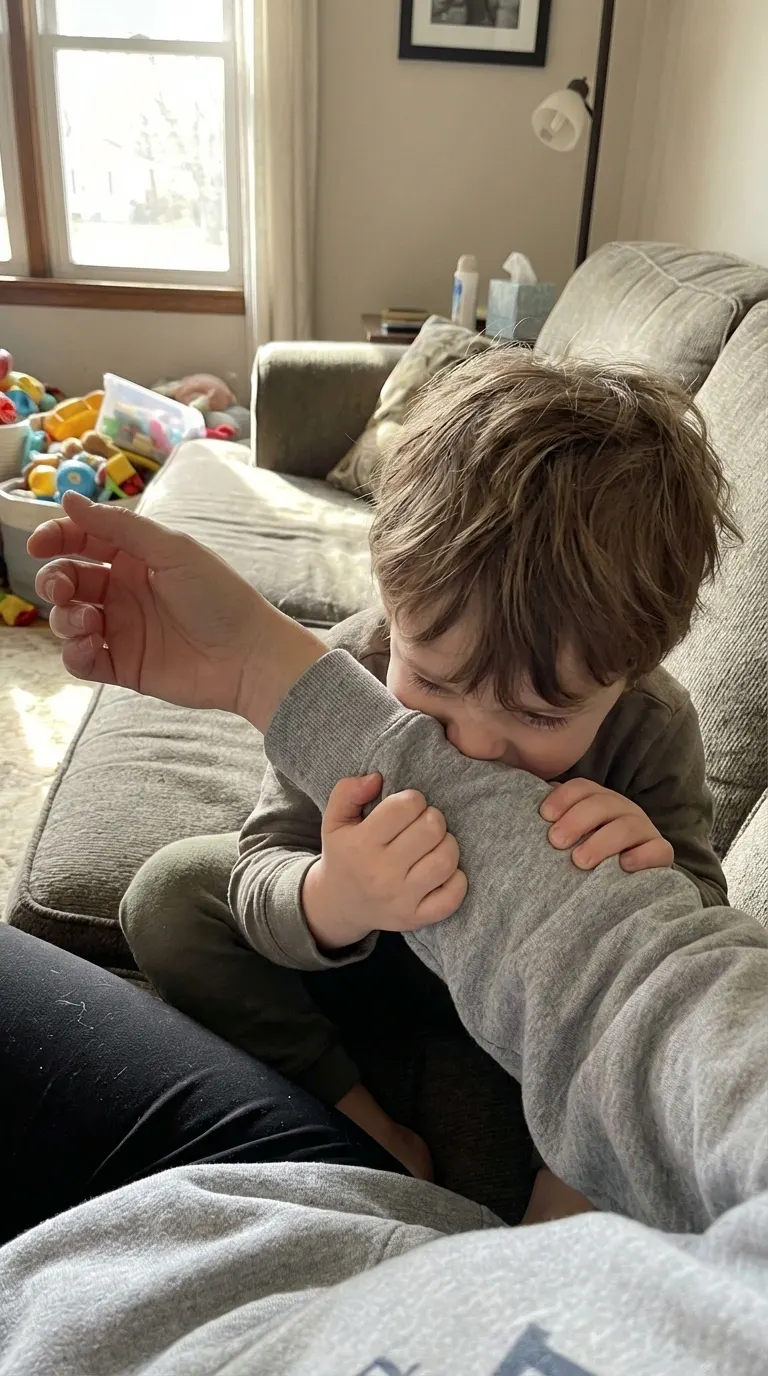
A young child biting an adult’s sleeved arm on a couch, with a bin of toys in the background

Hitting & biting

A moment becomes a hit, a bite or a push. You need to keep everyone safe and understand what could happen differently.
Hitting & biting

Hitting and biting require a clear safety limit, while the reason may vary from one incident to another. Stop further harm, care for the person hurt and look at what led up to it. Later, explore one alternative action with your child and seek support for a worrying pattern.

Ideas from the parent guide

  • Stop the unsafe action
  • Care for the person hurt
  • Explore another action later
Create your book

About the book on hitting & biting · Read the full parent guide

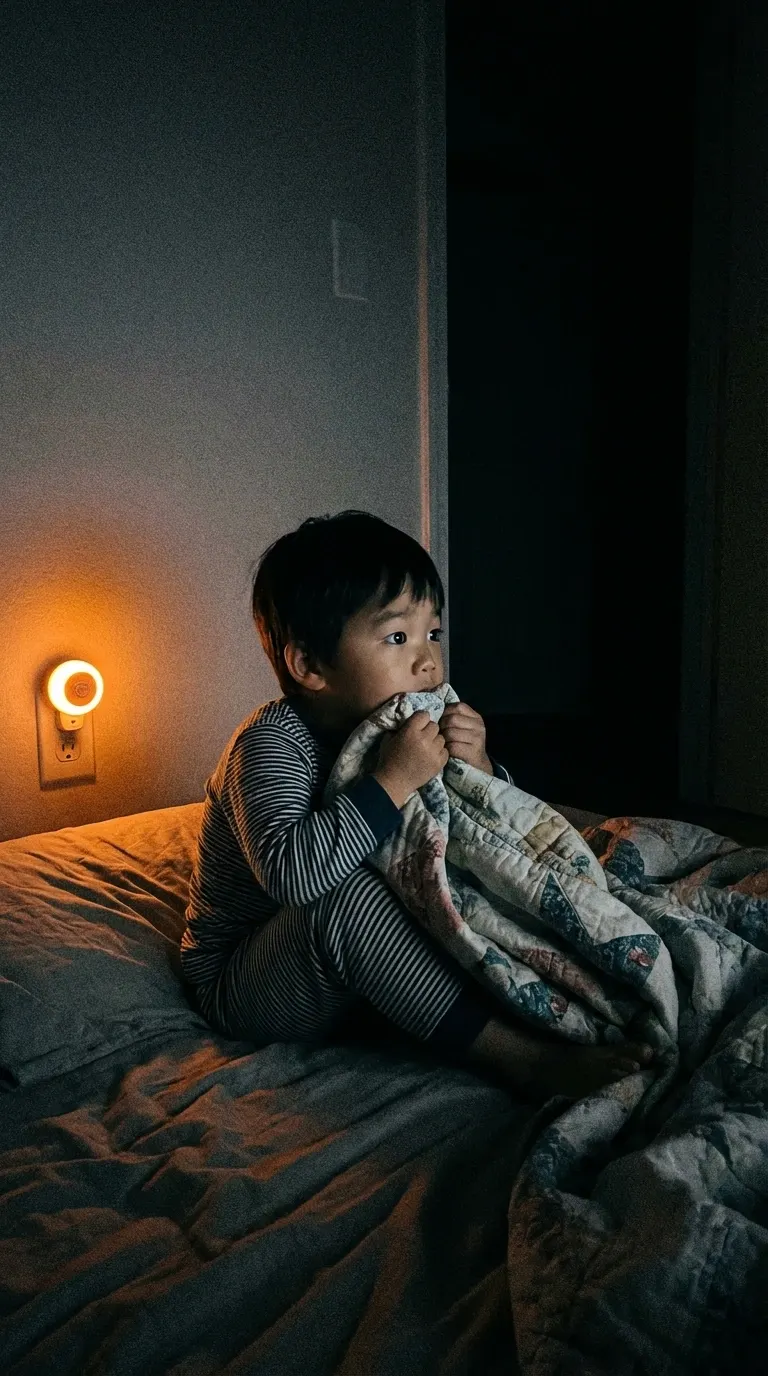
A young child sitting up in bed in a dark room, clutching a blanket, beside a small orange nightlight

Fear of the dark

The room is familiar, but it feels different with the light off. A shadow or a sound becomes hard to pass by.
Fear of the dark

Darkness changes how a familiar room looks and sounds, and a young child may find that unsettling. Ask about the particular worry, notice a familiar detail together and choose a comfort that fits. A child can take a small step with support while still feeling afraid.

Ideas from the parent guide

  • Ask about the particular part
  • Look together at one familiar detail
  • Choose a manageable comfort
Create your book

About the book on fear of the dark · Read the full parent guide

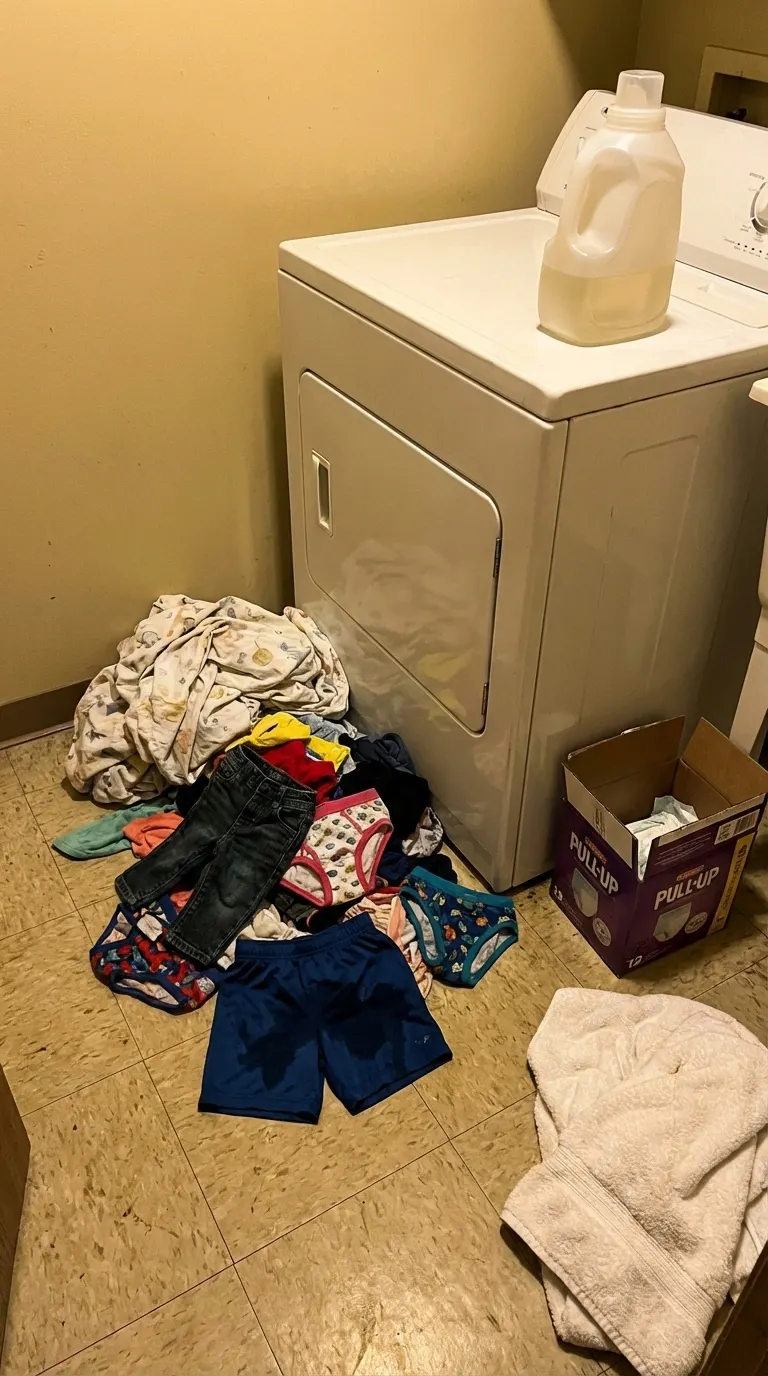
A pile of clothes and underwear on a laundry room floor next to a dryer and an open box of pull-ups

Potty accidents

A change of clothes, another load of laundry. You want to understand what your child needs while toilet learning unfolds.
Potty accidents

Potty accidents can have different causes, including developing skills, routine changes or discomfort. Keep cleanup matter-of-fact and look for practical obstacles. Discuss new, persistent or painful accidents with your pediatrician rather than treating dryness as a test of effort.

Ideas from the parent guide

  • Keep cleanup matter-of-fact
  • Make the bathroom easier to reach
  • Offer an ordinary opportunity
Create your book

About the book on potty accidents · Read the full parent guide

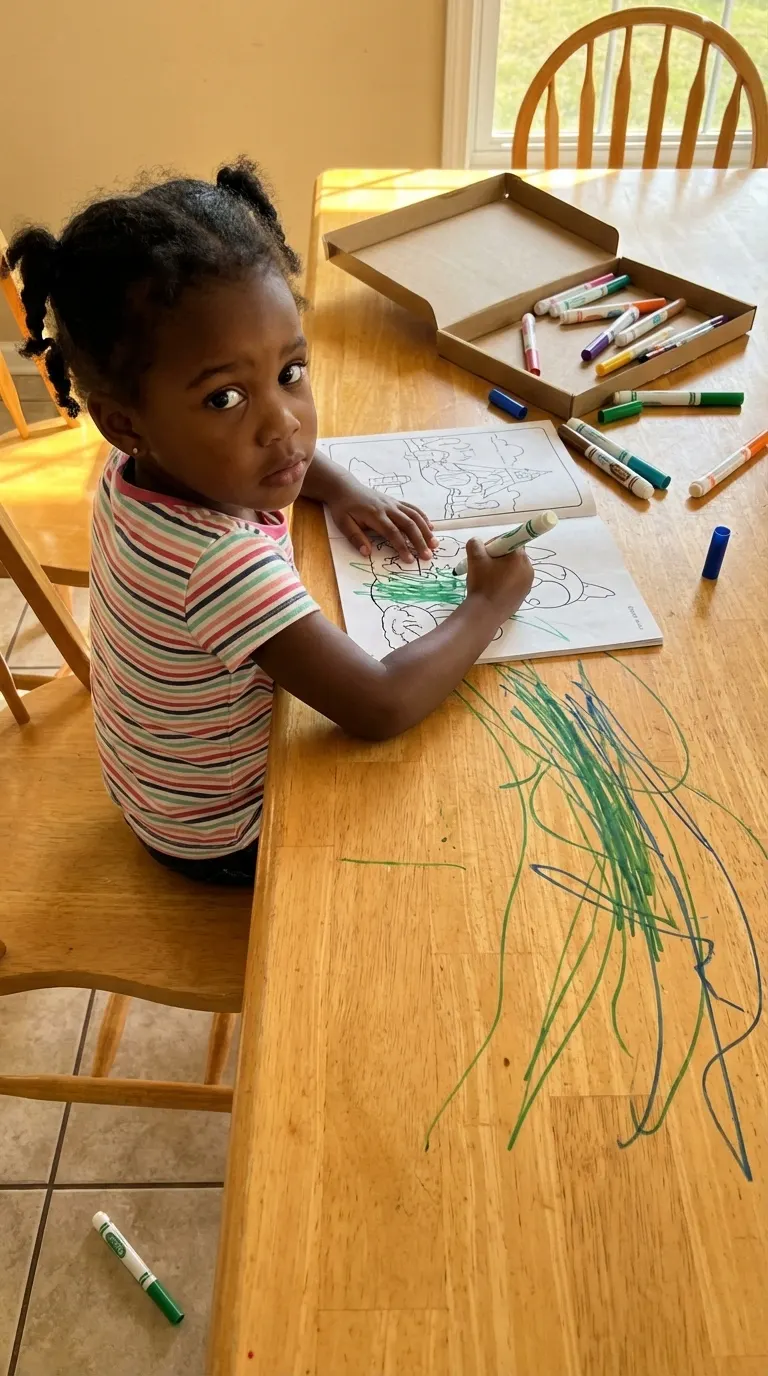
A young child at a kitchen table looking over the shoulder, holding a marker, with marker scribbles across the tabletop

Lying

What you hear does not match what you saw. You want room for the truth, responsibility and a way to repair what happened.
Lying

An untrue account can involve worry, imagination or difficulty explaining what happened. Start with what you actually observed, leave room to listen and keep responsibility connected to repair. A child can tell the truth about an error without being reduced to that error.

Ideas from the parent guide

  • Start with what you observed
  • Leave room for an account
  • Connect responsibility to repair
Create your book

About the book on lying · Read the full parent guide

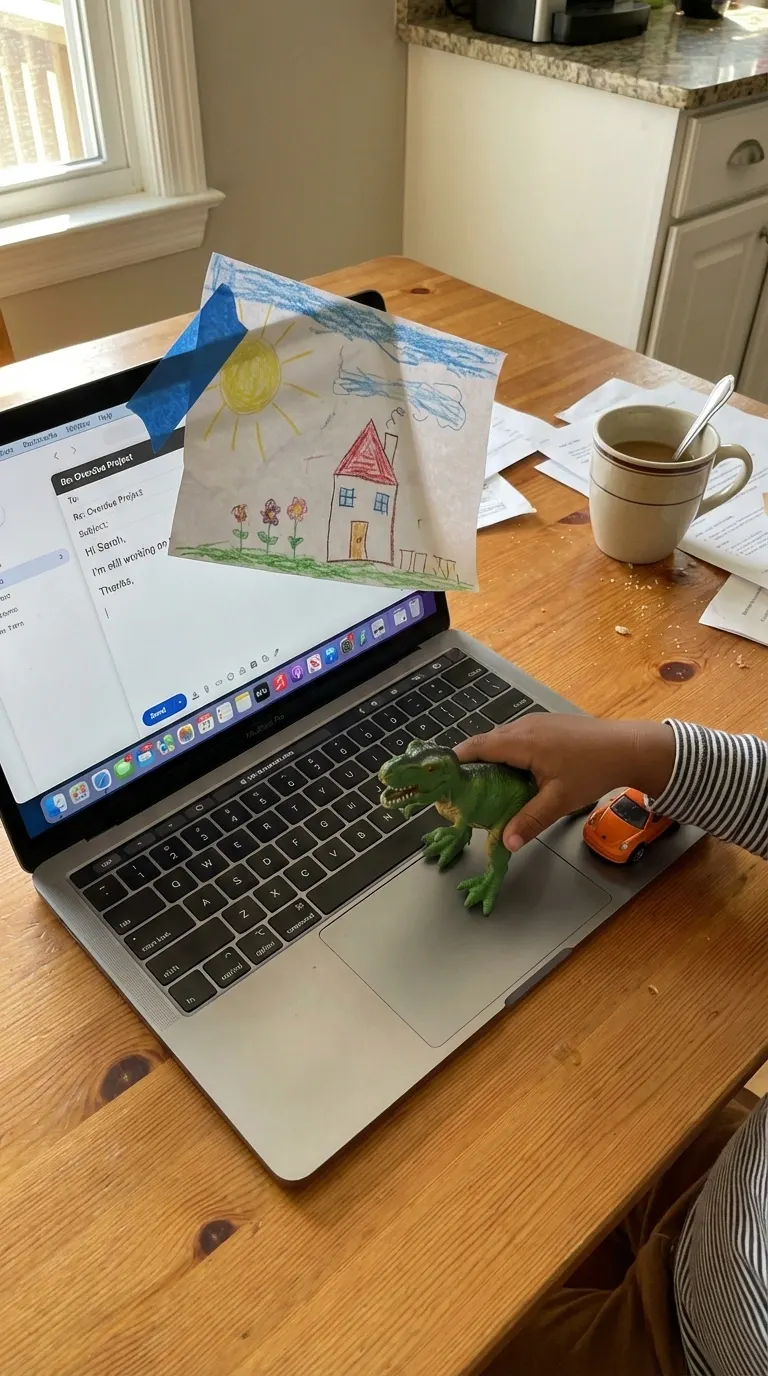
A child’s hand placing a toy dinosaur on a laptop keyboard while a drawing is taped over the screen

Attention seeking

A toy on the keyboard. A hand on your sleeve. Your child wants you close while you are trying to finish one ordinary thing.
Attention seeking

Repeated bids for attention can reflect wanting connection, needing help or finding a wait difficult. The interruption alone does not tell you which. Make your availability clearer, practice a way to ask and protect a small shared moment that is not a reward for behaving well.

Ideas from the parent guide

  • Make a return you can keep
  • Practice an ordinary way to interrupt
  • Offer a small shared moment
Create your book

About the book on attention seeking · Read the full parent guide

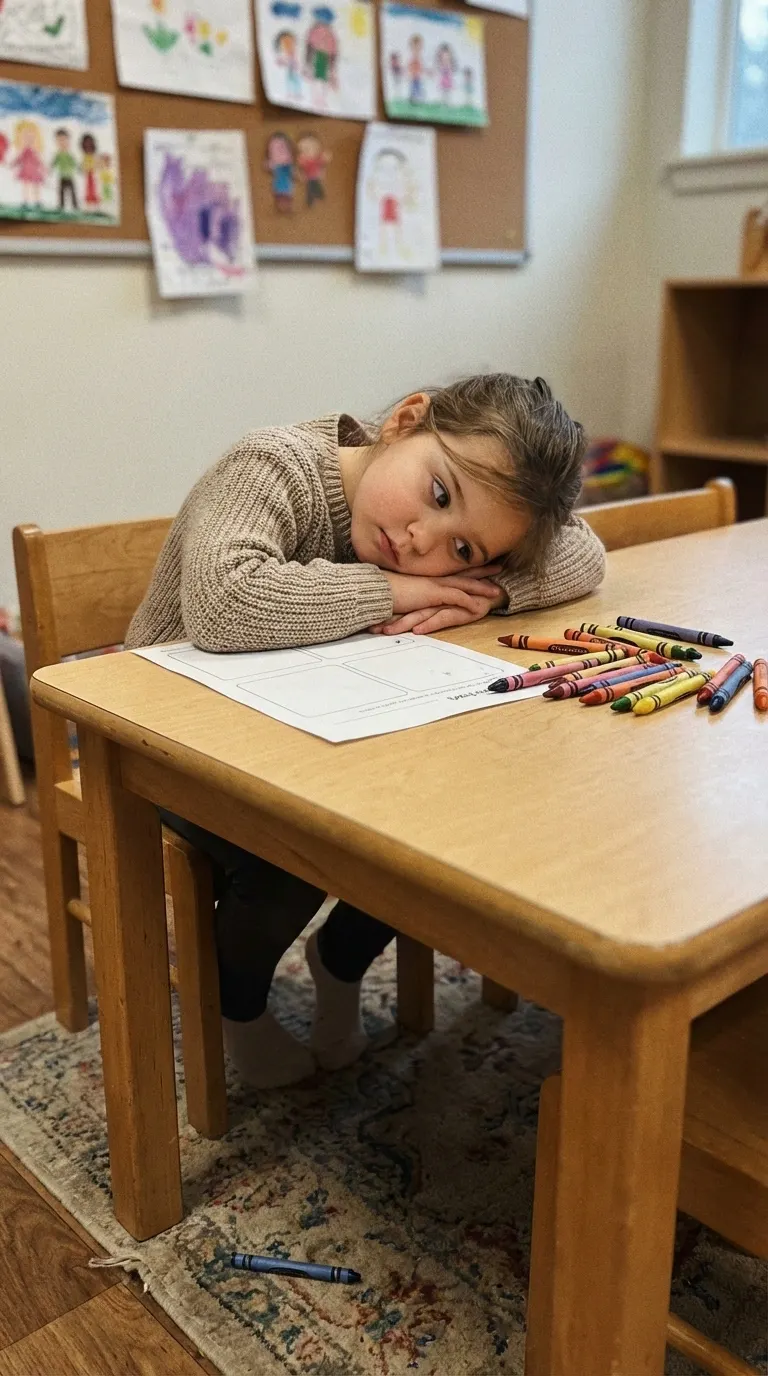
A young child resting the head on folded arms at a classroom table, in front of a blank worksheet and crayons

Low confidence

“I can’t” arrives before the first attempt. You want to help your child find a beginning that feels possible.
Low confidence

“I can’t” may express worry about mistakes, uncertainty or a task that feels too difficult. Ask which part is hard and find one manageable beginning. Offer help, notice the actual attempt and leave room for a pause without making confidence another demand.

Ideas from the parent guide

  • Find one small part
  • Notice what actually happened
  • Offer help without taking over
Create your book

About the book on low confidence · Read the full parent guide

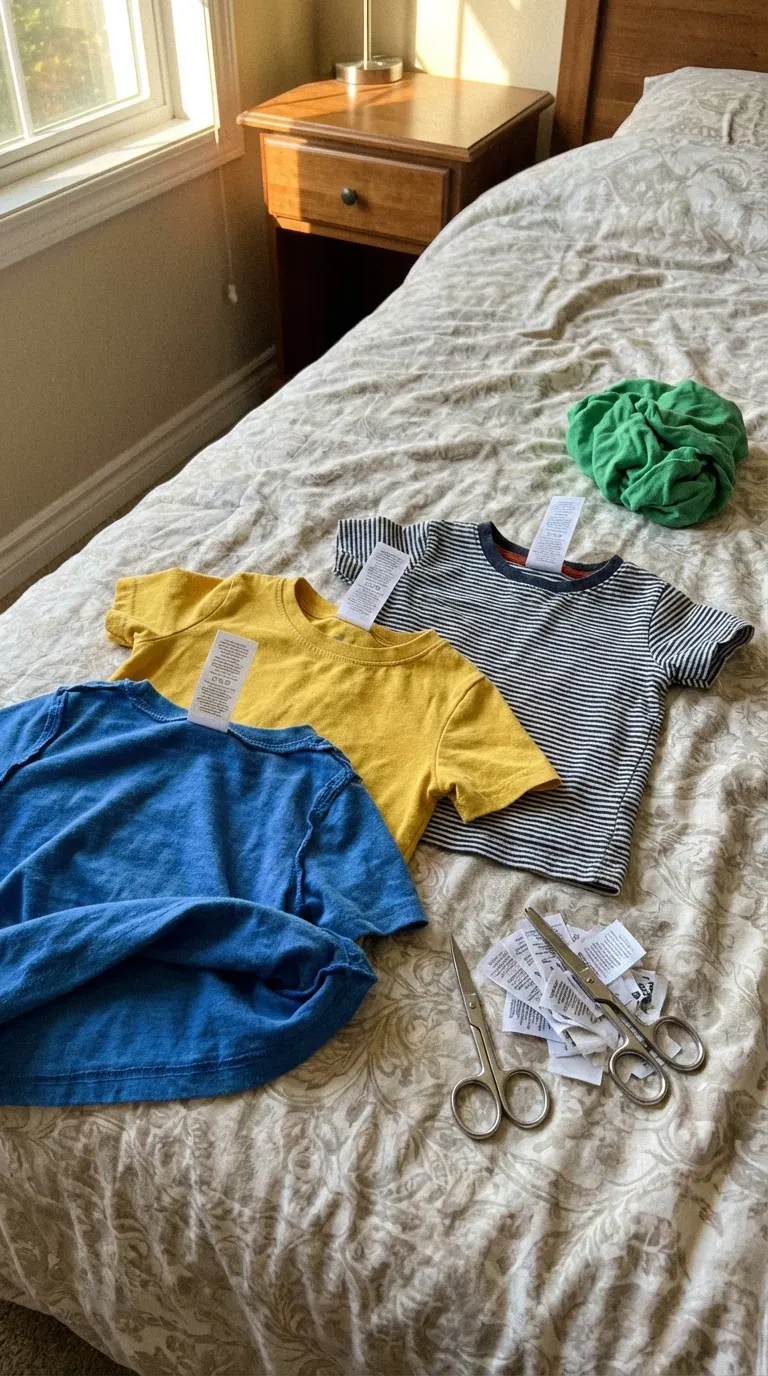
Three children’s t-shirts laid on a bed, each with a tag showing at the neckline, next to scissors and a pile of cut-off tags

Sensory sensitivity

A seam, a sound or a crowded room feels uncomfortable to your child. You want to understand the particular part that is hard.
Sensory sensitivity

A texture, sound or crowded place can feel different to your child than it does to you. Ask about the specific discomfort and try a practical adjustment. If sensitivities are limiting daily activities, your pediatrician can help you understand the pattern and find appropriate support.

Ideas from the parent guide

  • Ask about the specific sensation
  • Try a practical adjustment
  • Plan a way to take a break
Create your book

About the book on sensory sensitivity · Read the full parent guide

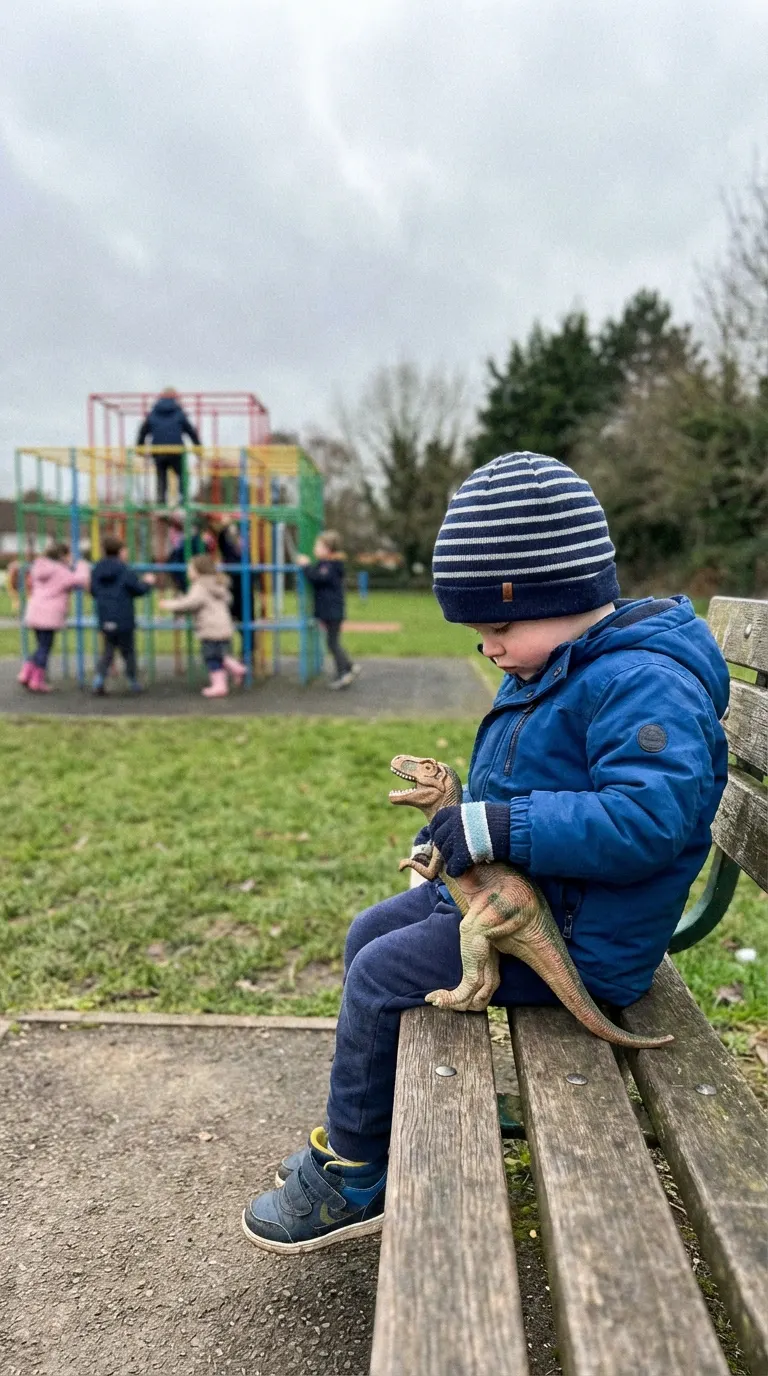
A young child sitting alone on a park bench holding a toy dinosaur, while other children play on a climbing frame behind

Social difficulties

Your child watches from the edge of a game. You want to know whether they want company, and how to help if they do.

Social difficulties

Difficulty joining other children can involve uncertainty, an unfamiliar group or a different preference for play. First ask whether your child wants to join. If they do, practice one small opening and offer a manageable setting, while remembering that other children’s responses matter too.

Ideas from the parent guide

  • Ask what they wanted
  • Try one opening through play
  • Make the setting manageable
Create your book

About the book on social difficulties · Read the full parent guide

The friends of the Ownway Stories world gathered by the great tree

A whole paper world to come back to.

Their favorite hero, a new adventure every time.

How it works

Our paper world

An original world of heroes and places we created.

Your choices

Your child’s name and challenge.

Our AI & care

Written by our engine, manually reviewed page by page.

A unique book made with love

Discover our paper worldCreate your book

$32.99 · shipping calculated at checkout

Order with confidence

Secure payments · powered by StripeVISAAMEXDISCOVER
  • Each book is written and printed only once
  • Ships to the United States, with tracking
  • We never see your card number

Questions parents ask

Can I see the book before I pay?−

Yes. You’ll see the cover and the first scenes with your child’s name before you decide. The rest of the story stays a surprise that arrives with the printed book — that reveal is part of the magic.

Are the story and the illustrations created for my child?−

Yes. The story and illustrations are generated around the name, character, challenge and dedication you choose. The system does not select a finished story from a fixed library.

What age is this for?+
Is there really a guide for me inside?+
What if I’m not happy with it?+
How long does delivery take?+
How is my information — and my child’s — used?+
Is this a replacement for therapy?+
Who makes Ownway Stories?+